
AI in Seattle’s Workplace Environment: Boosting Productivity Without Burnout

AI in Seattle’s Workplace Environment: Boosting Productivity Without Burnout
AI in Seattle’s Workplace Environment: Boosting Productivity Without Burnout helps organizations use AI to improve efficiency without increasing employee burnout. Across Seattle’s technology, healthcare, finance, and research sectors, AI must support productivity without adding unnecessary complexity.
AI can streamline repetitive work, but poor implementation may increase tool overload and workplace fatigue. This seminar provides practical strategies for integrating AI into everyday workflows while supporting productivity and sustainable business performance.
Let’s talk about bringing this AI training to YOUR team in Seattle!
- Call 682-263-4515
- Or send us a note
- Or use our Quick Online Training Inquiry
What Makes This AI Training in Seattle Different

AI in Seattle’s Workplace Environment: Boosting Productivity Without Burnout is intentionally built around how AI implementation pressure actually appears inside modern organizations. Leaders are rarely introducing AI into calm, low-demand environments. They are layering AI onto already busy teams that are managing deadlines, multiple software systems, communication overload, and rising performance expectations.
What makes this training different is its emphasis on:
- Productivity improvement without hidden employee overload
- Workflow simplification instead of tool multiplication
- People-centered implementation rather than technology-first adoption
- Scenario-based application grounded in Seattle workplace realities
Participants do not simply discuss AI tools. They practice identifying where AI should remove friction, where it can accidentally increase strain, and how to build healthier AI-supported work routines.
Sample 6-Module Curriculum
Module 1: Foundations of AI in the Workplace
This module builds a clear, practical understanding of how AI is being used across modern organizations in Seattle.
Participants explore:
- What AI can and cannot do in real workplace scenarios
- Common use cases across industries like tech, healthcare, and education
- How AI supports—not replaces—human decision-making
Activities include:
- Self-assessment of current AI familiarity
- Identifying opportunities for AI in daily workflows
- Practicing simple, high-impact AI interactions
Module 2: AI Strategy for Seattle Teams and Leaders
This module focuses on aligning AI adoption with business goals and team realities.
Participants explore:
- How to define clear AI objectives at the organizational level
- Aligning AI initiatives with KPIs and performance metrics
- The role of leadership in successful AI adoption
Activities include:
- Mapping AI opportunities to business priorities
- Group exercises on aligning teams around AI goals
- Building a simple AI adoption roadmap
Module 3: Communicating and Collaborating with AI Effectively
This module helps teams use AI as a collaborative partner, not just a tool.
Participants explore:
- How to communicate clearly with AI systems
- Evaluating and refining AI-generated outputs
- Avoiding over-reliance on automation
Activities include:
- Hands-on prompting exercises for real workplace tasks
- Reviewing and improving AI-generated content
- Team-based collaboration scenarios using AI
Module 4: Designing Workflows That Reduce Burnout
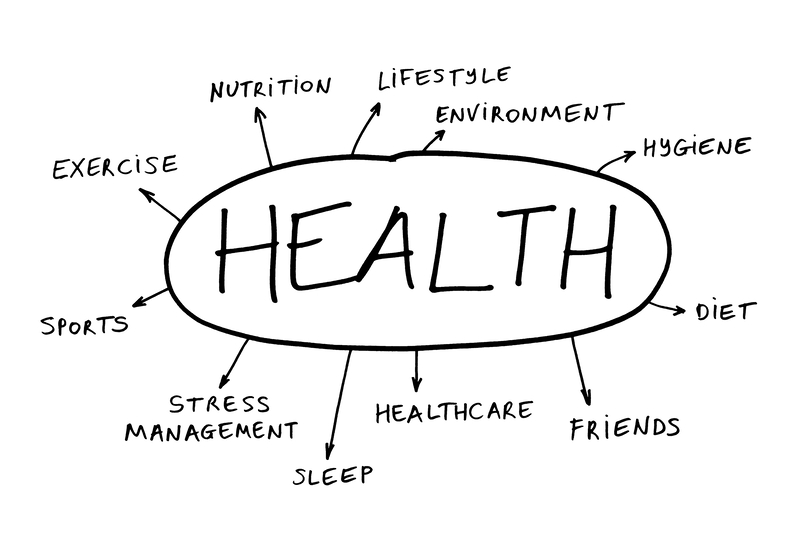
This module addresses one of the biggest risks of AI adoption—employee overload.
Participants explore:
- How AI can both reduce and increase workload
- Identifying burnout risks in AI-driven environments
- Creating sustainable, balanced workflows
Activities include:
- Workflow mapping and redesign exercises
- Identifying tasks to automate vs. retain
- Building “AI boundaries” for healthier work habits
Module 5: Systems Thinking and AI Integration
This module focuses on integrating AI into existing systems without creating chaos.
Participants explore:
- How to avoid tool overload and fragmentation
- Integrating AI into current platforms and processes
- Designing systems that support long-term productivity
Activities include:
- Mapping current tools and identifying overlaps
- Simplifying workflows with AI integration
- Group problem-solving on system inefficiencies
Module 6: Implementation, Scaling, and Continuous Improvement
This final module ensures that AI adoption is sustainable and scalable.
Participants explore:
- How to roll out AI initiatives effectively across teams
- Measuring success beyond productivity metrics
- Creating a culture of continuous improvement
Activities include:
- Building an implementation action plan
- Defining success metrics and feedback loops
- Scenario-based exercises for scaling AI across departments
This structured approach ensures that AI in Seattle’s Workplace Environment: Boosting Productivity Without Burnout is not just understood—but applied in a way that is strategic, sustainable, and people-focused.
Let’s talk about bringing this AI training to YOUR team in Seattle!
- Call 682-263-4515
- Or send us a note
- Or use our Quick Online Training Inquiry
Where AI Productivity Gains Break Down in Seattle Organizations

AI in Seattle’s Workplace Environment: Boosting Productivity Without Burnout is delivered through practical organizational application built around the realities of modern workload acceleration rather than generalized AI awareness.
Seattle organizations are not introducing AI into low-pressure environments. They are layering automation into workplaces where employees are already balancing software alerts, reporting deadlines, customer communication, compliance obligations, and cross-functional collaboration demands.
This creates several immediate leadership challenges:
- AI tools are often added without removing older workflow burdens
- Employees are expected to learn new systems while maintaining existing output
- Verification of AI-generated work creates additional review responsibility
- Leaders begin raising productivity expectations before teams have stabilized
- Multiple digital platforms create heavier cognitive switching across the day
As a result, work is not always reduced during early AI adoption. In many Seattle offices, work simply becomes denser.
Employees may technically complete tasks faster, yet mentally the day becomes more fragmented, more monitored, and more exhausting.
AI in Seattle’s Workplace Environment: Boosting Productivity Without Burnout helps organizations identify these hidden strain points so productivity gains do not quietly become another source of workforce fatigue.
Challenges of Using AI for Productivity Without Burning Out Seattle Teams
Scenario 1: South Lake Union Marketing Team Adding AI but Increasing Review Load
Employees begin using multiple AI tools for content generation, but managers now spend additional time reviewing inconsistent outputs, correcting tone, and verifying details. Work moves faster in drafts but slower in approval.
Scenario 2: Operations Department Layering Automation on Top of Existing Systems
Administrative teams receive new AI reporting tools, yet no old reporting requirements are removed. Employees now maintain both automated systems and previous manual documentation, increasing rather than reducing workload.
Scenario 3: First Hill Healthcare Administrative Staff Facing Constant Tool Adaptation
Leaders continue introducing AI-assisted scheduling, documentation, and summarization tools, but employees feel mentally stretched because every efficiency gain arrives with another learning curve.
These examples reflect a common Seattle pattern: AI access does not automatically create healthier productivity. Without implementation discipline, automation can quietly become another source of employee fatigue.
Operational Outcomes of Smarter AI Workload Integration in Seattle

Organizations that invest in AI in Seattle’s Workplace Environment: Boosting Productivity Without Burnout gain measurable improvements in how leaders redesign workflows, manage AI adoption, and protect employee sustainability while increasing efficiency.
Key outcomes include:
- Smarter identification of tasks where AI truly removes friction
- Reduced tool overload during implementation
- Healthier pacing of AI rollout across departments
- Better balance between productivity targets and employee capacity
- Stronger clarity around AI-supported versus human-led work
- Improved employee confidence during AI transition
Participants also develop the ability to:
- Map workload before adding automation
- Identify hidden burnout risks during AI adoption
- Simplify processes rather than stack tools
- Implement AI with stronger human-impact awareness
In Seattle’s fast-moving and innovation-centered business environment, this kind of implementation fluency significantly improves both productivity gains and workforce resilience.
Seattle organizations often discover that AI productivity gains look promising on paper long before they feel sustainable in employee workflows. The following implementation pressure points are where efficiency improvements most commonly begin turning into hidden strain if leaders do not actively redesign how work is distributed, reviewed, and measured.
Let’s talk about bringing this AI training to YOUR team in Seattle!
- Call 682-263-4515
- Or send us a note
- Or use our Quick Online Training Inquiry
How Productivity Gains Quietly Turn into Capacity Pressure Inside Seattle Teams
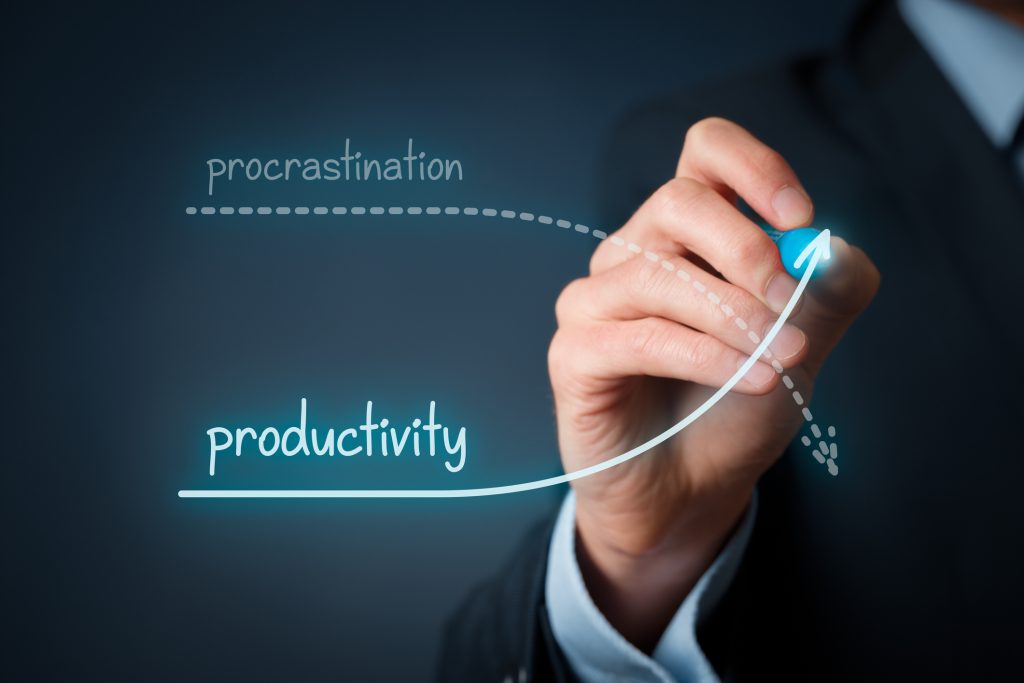
A common mistake in Seattle organizations is assuming that once AI saves time in one workflow, that reclaimed time automatically becomes available productive capacity.
That is rarely how employees experience it.
Inside many Seattle offices, saved minutes are quickly replaced by:
- additional reporting requests
- more simultaneous communication threads
- expanded documentation expectations
- tighter response-time assumptions
- increased output targets
The employee never actually feels the relief.
They simply feel that the day now contains more expectations.
This is where AI productivity gains begin mutating into capacity pressure rather than sustainable efficiency.
AI in Seattle’s Workplace Environment: Boosting Productivity Without Burnout teaches leaders how to protect reclaimed labor time so automation produces measurable breathing room instead of just becoming justification for higher demand.
Preventing AI Adoption from Quietly Increasing Employee Self-Monitoring

One of the less discussed consequences of workplace AI is that employees often begin monitoring themselves more aggressively once automation enters the workflow.
They start questioning whether they are moving fast enough, whether they are using the tools efficiently enough, whether their output should now be denser, and whether leadership expects visibly higher productivity simply because AI is available.
This creates a subtle but exhausting layer of self-surveillance that many organizations fail to recognize.
AI in Seattle’s Workplace Environment: Boosting Productivity Without Burnout helps leaders reduce this internal pressure by teaching them how to:
- Set clearer productivity expectations during AI rollout
- Define realistic AI performance standards
- Communicate where human pacing is still acceptable
- Prevent automation from becoming a source of constant self-comparison
This allows Seattle employers to improve efficiency without creating a workforce that feels permanently measured against machine speed.
Reducing AI Tool Saturation Before Workflow Simplicity Gets Lost
A common Seattle implementation mistake is assuming that more AI access automatically means more productivity.
Teams receive writing assistants, summarization tools, automation dashboards, prompt libraries, analytics copilots, and workflow add-ons in rapid succession. Each tool may offer isolated efficiency, yet collectively they create heavier switching, fragmented habits, and new monitoring demands.
Employees begin spending as much mental energy managing the tool environment as they do managing the work itself.
AI in Seattle’s Workplace Environment: Boosting Productivity Without Burnout helps organizations reduce this saturation by teaching leaders how to:
- Identify where too many AI layers are creating digital clutter
- Consolidate overlapping automation functions
- Simplify employee AI decision pathways
- Protect workflow coherence while expanding AI capability
This allows Seattle employers to keep AI implementation efficient without making the digital ecosystem harder to navigate.
Let’s talk about bringing this AI training to YOUR team in Seattle!
- Call 682-263-4515
- Or send us a note
- Or use our Quick Online Training Inquiry
Preventing Constant Speed Expectations from Burning Out High Performers

One of the less visible risks of AI adoption in Seattle is that efficiency gains can quietly change workplace expectations faster than employees can psychologically absorb them.
Once leaders see that tasks can move faster, the organization often begins assuming:
- Response times should be quicker
- Documentation should be more detailed
- Turnaround should be tighter
- Output should be more frequent
High performers usually absorb this acceleration first.
They often become the employees who:
- Learn the tools fastest
- Produce results quickest
- Handle the highest concentration of compressed expectations
- Receive the most intensified performance assumptions
Over time, these same employees become the earliest burnout candidates because AI-enabled speed has quietly redefined what leadership now considers normal.
AI in Seattle’s Workplace Environment: Boosting Productivity Without Burnout helps organizations recognize when efficiency is beginning to distort sustainable performance expectations so productivity gains do not turn into a constant-speed workplace culture.
How Smarter AI Workflow Design Gives Seattle Teams Back Real Breathing Room

AI should not simply help employees do more work in less time. When implemented correctly, it should help employees experience less repetitive friction across the day.
That means fewer manual summaries, fewer duplicated documentation tasks, less repetitive searching, reduced low-value administrative formatting, and faster access to organized information.
When leaders redesign workflows around these true labor drains, AI begins creating something employees actually feel: breathing room.
AI in Seattle’s Workplace Environment: Boosting Productivity Without Burnout helps organizations identify where AI can remove invisible daily friction so teams experience not just faster output, but healthier workflow pacing.
Seattle employers begin seeing:
- Less repetitive mental clutter
- Faster completion of low-value recurring tasks
- More focused time for higher-level work
- Better employee energy across the workday
Protecting Human Judgement While AI Speed Continues Increasing
As AI accelerates summaries, recommendations, drafts, scheduling, and information retrieval, employees often begin moving faster than their judgment habits can realistically keep pace.
They approve outputs quickly, skim recommendations, trust automated suggestions, and compress review windows simply because the surrounding workflow now feels faster.
This creates a dangerous mismatch: machine speed rises while human reflection shrinks.
AI in Seattle’s Workplace Environment: Boosting Productivity Without Burnout helps leaders preserve stronger human judgment by improving:
- Deliberate review checkpoints during AI-assisted tasks
- Clearer standards for when human verification remains critical
- Better pacing around high-impact decisions
- Stronger employee awareness of automation over-trust
For Seattle employers operating inside data-heavy, compliance-sensitive, and client-visible environments, this judgment protection becomes essential.
Building Long-Term AI Productivity Systems Employees Can Sustain
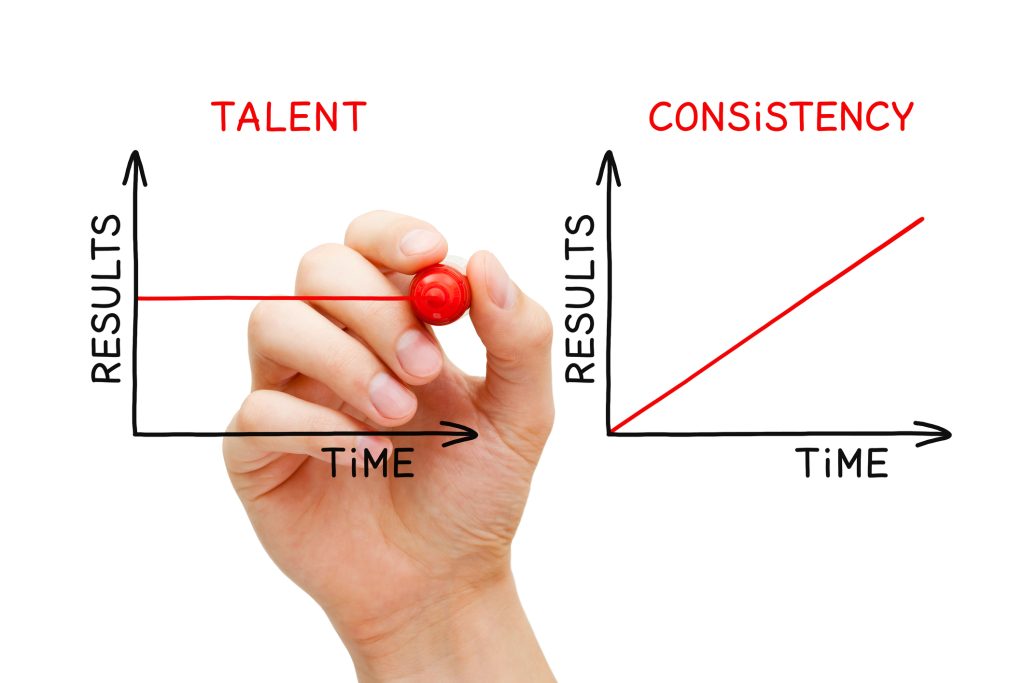
Short-term AI acceleration means little if employees feel mentally compressed every day they use it.
Organizations need AI systems that employees can realistically maintain without constant tool-switching, nonstop monitoring, or permanent urgency.
This means leaders must think beyond:
- Can AI make this faster?
and begin asking:
- Can this workflow stay sustainable after AI is introduced?
AI in Seattle’s Workplace Environment: Boosting Productivity Without Burnout teaches Seattle leaders how to build:
- Simpler AI-supported routines
- Clearer automation boundaries
- More realistic productivity pacing
- Long-term employee adaptability without constant overload
This helps AI productivity become sustainable rather than exhausting.
Let’s talk about bringing this AI training to YOUR team in Seattle!
- Call 682-263-4515
- Or send us a note
- Or use our Quick Online Training Inquiry
Who Should Attend This Training

AI in Seattle’s Workplace Environment: Boosting Productivity Without Burnout is designed for decision-makers responsible for workplace productivity, AI adoption, employee sustainability, and workflow modernization inside high-demand organizational environments.
Ideal participants include:
- HR managers and directors
- Learning and Development leaders
- Operations managers
- Team leaders and department heads
- Corporate trainers and internal transformation leads
- Technology adoption and process improvement managers
Organizations benefit most when participants are evaluating AI rollout, managing workflow overload, or trying to improve productivity without increasing employee fatigue.
Participants leave with practical AI implementation frameworks, stronger workload redesign strategies, and clearer methods for balancing innovation with workforce sustainability.
Inquire Today and Build Smarter AI Productivity Across Seattle Organizations
Seattle employers need AI implementation that does more than increase activity. They need systems that improve workflow speed, reduce repetitive labor, and strengthen employee output without creating another layer of exhaustion.
AI in Seattle’s Workplace Environment: Boosting Productivity Without Burnout gives leaders the practical implementation frameworks, workload redesign tools, and people-centered AI strategies needed to improve efficiency while protecting long-term workforce sustainability.
For HR and L&D decision-makers, this creates a valuable opportunity to strengthen organizational productivity, reduce AI-related friction, and support healthier employee performance through change.
Take the next step toward smarter workplace AI adoption by bringing this training to your Seattle organization.
You may also like:
- AI Training in Seattle, WA
- AI-Powered Decision Making & Data Insights in Seattle
- AI Fluency for the Seattle Workforce: Tools, Ethics & Everyday Productivity
- AI for Business Leaders in Seattle: Strategy, Opportunities, and Risks
- Leading Through AI & Digital Transformation in Seattle
- Online Business Workshops for Individuals in Seattle
Details
Formats
Live On Site: Inquire about bringing this training to your team call 682-263-4515 or Contact Us.
Live Online, Webinars, & Online Courses for Individuals - Contact Us
What Participants Say

“Thank you, Alexander for opening our eyes. Your energy was contagious. It was an amazing Strategic & Competitive Thinking session.”
Edwardo Rodriquez
Shell Exploration Leader

“Provided a well proctored leadership course for my group of managers!”
Bernard B.
Team Leader at Amazon

“Alexander helped conceptualize and build strategies around some of my frequent and often times most challenging discussions. Leaving his trainings I was able to immediately enact delegation and time management strategies that unlocked a higher level of performance for myself and my team!”
Connor D.
Summize - Director, Revenue Operations

“When I first met you, I was $17,000 in the red. Within a few years of working with you and your strategies, I am having my first 7-figure year. Your coaching has been incredibly valuable.”
Dan J.

“I made $40,000 in the first month from one of the up-sell techniques you taught me. And I’ve added a quarter of a million dollars to my yearly income. And I took my wife to France and we hung out with the Tour-De-France cyclists, so I guess that qualifies as the lifestyle piece. That’s why I’ve come back for more coaching with you!”
Dr. Chris Pellow, Pellow Family Chiropractic

“Not only did Alexander do a phenomenal job in teaching me many concepts that will greatly improve my business, but he went beyond helping me with my business into teaching me how to thrive in my life balance as well. He made sure I understood to balance everything important to me, such as making time for my health, family, and leisure time, so that I could be more balanced in my life and not stressed out with overworking myself with my business. He inspired me to take many actions to improve both my business and the quality of my life that I would have been ignorant or hesitant to take otherwise. His program was a real life-changer for me. I wholeheartedly recommend him.”
Sue Paananen, New Business Owner

“Alexander has been a huge help in getting me started the right way. His techniques have already got me significant bookings that have far exceeded my goals. I purchased his coaching package three times in a row because it paid for itself every time I did it. His attention to detail in all aspects: from intricate speech writing to advanced marketing, these are exactly the insights for which I was looking. With so much more to learn, I know I’m in the right place.”
Steve Sax, World Champion Baseball Player & Motivational Speaker

“Toshiba is the world’s 17th largest corporation…thank you for helping to ensure a highly successful national sales meeting. The combination of unique intrigue, pure entertainment, and meaningful insights into one another, helped us achieve a level of professional bonding like never before.”
David Ujita, Director of Marketing Communications, Toshiba America

I have been working with him for a year now, and I have been able to change completely. Today, I am much more who I want to be, and can do more than I have ever been able to achieve before.
Susan Brown, Day Trader & Futures Trader

“This was one of the best pieces of training we’ve ever had on time management. They were blown away.”
Safelite Auto Glass

“The participants were really impressed.”
Sharon F. Reiser, The Stanford Executive Program Graduate School of Business

“In the three sessions. . . I was impressed with your knowledge and coaching in time management. Your honest feedback and detailed explanations on being the best that I can be (my work place, personal life and diet) has had an immediate and positive impact.
I changed my diet, and exercise which I never did before, and I can see the results in my daily routine and my energy level. I highly recommend you to anyone who wants to improve their professional or personal life.
Thanks again for teaching me to be a better manager, husband, father, and friend.”
Shawn Funches, Food & Beverage Activities Manager, Marriott’s Grand Chateau
You may also like: SkillBuilderSeminars.com

“There is always apprehension when you bring in a facilitator you have not personally worked with before. This apprehension disappeared within the first 30 seconds of your presentation.
Alex, you not only energized the group with your insights on the creative process and approaching problem areas, but you also changed our whole way of viewing our business.
Your practical approach to problem-solving from the general to the specific will serve us all for many years to come.”
Dave Verani, Division President, Blue Green Land & Golf Corporation
“The communication session was . . . WOW!. And we are still using the 5-5-5- sales process.”
CW – TV, Sinclair Broadcasting Corp.

“Alexander, I spoke to a group of over 200 people and I truly believe your help with my introduction and closing language was a big part in my being able to bring in over $50,000 in my 45-minute presentation.”
Scott Letourneau, CEO